Types of Wedding Dress: All Styles and Silhouettes Explained
Mermaid, princess, boho, A-line, column or mini: every bridal silhouette explained, which body type it flatters, and which wedding it suits best.
Created with AI assistance and human review. Editorial standards
So you do not get caught off-guard at the boutique: the first step is knowing the vocabulary. The same budget can take you to a sleek column gown or a five-layer ball gown, and the difference lies in knowing what you are looking at. Here is every major silhouette, what defines it, which body type it flatters, and which wedding it fits best.
Puntos clave
- Mermaid: fitted to the knee then flares into a trumpet. The most photogenic cut, though not the most comfortable for dancing.
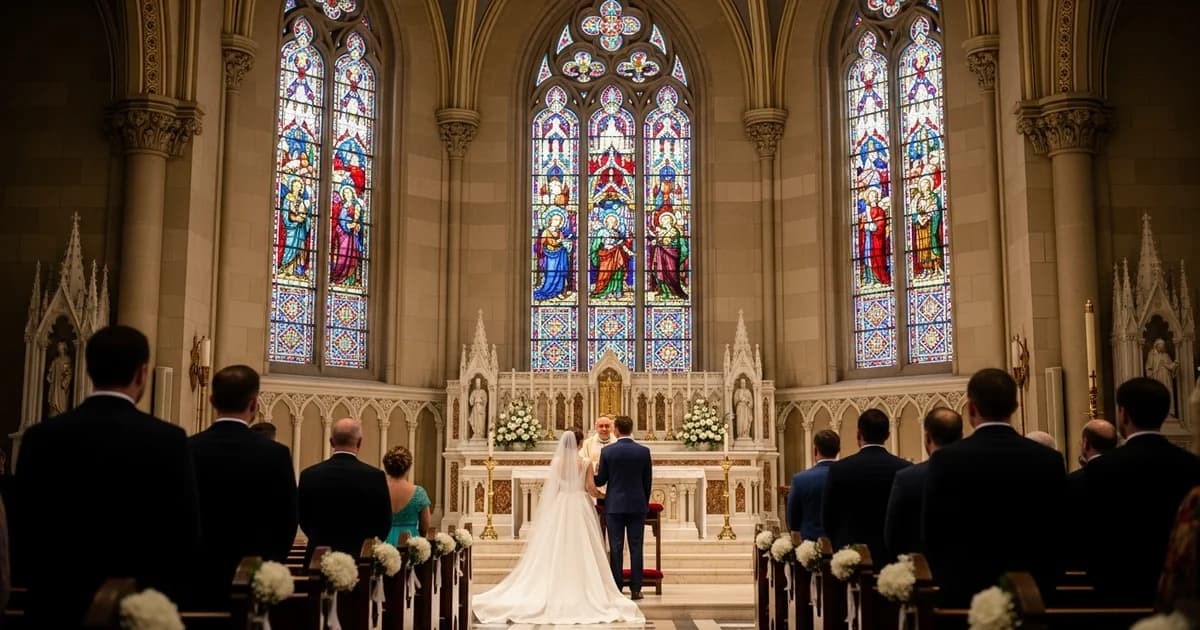
- Princess / ball gown: fitted bodice with a voluminous tulle skirt; romantic and classic. Ideal for religious or large-format ceremonies.
- Bohemian: lightweight fabrics such as chiffon or lace, visible craftsmanship. The favourite for outdoor weddings in 2025-2026.
- A-line (evasé): the most versatile of all. When in doubt, this is your safe bet.
- Column: straight line with no volume, modern and minimalist. Best suited to tall or slender figures.
- Mini / short: entirely valid for civil ceremonies. Many brides use it as a dress change for the reception.
- Train: sweep (about 30 cm), chapel (1.2 to 1.5 m), cathedral (over 2 m). Detachable trains are the most practical solution.
Mermaid cut: the most sculptural silhouette
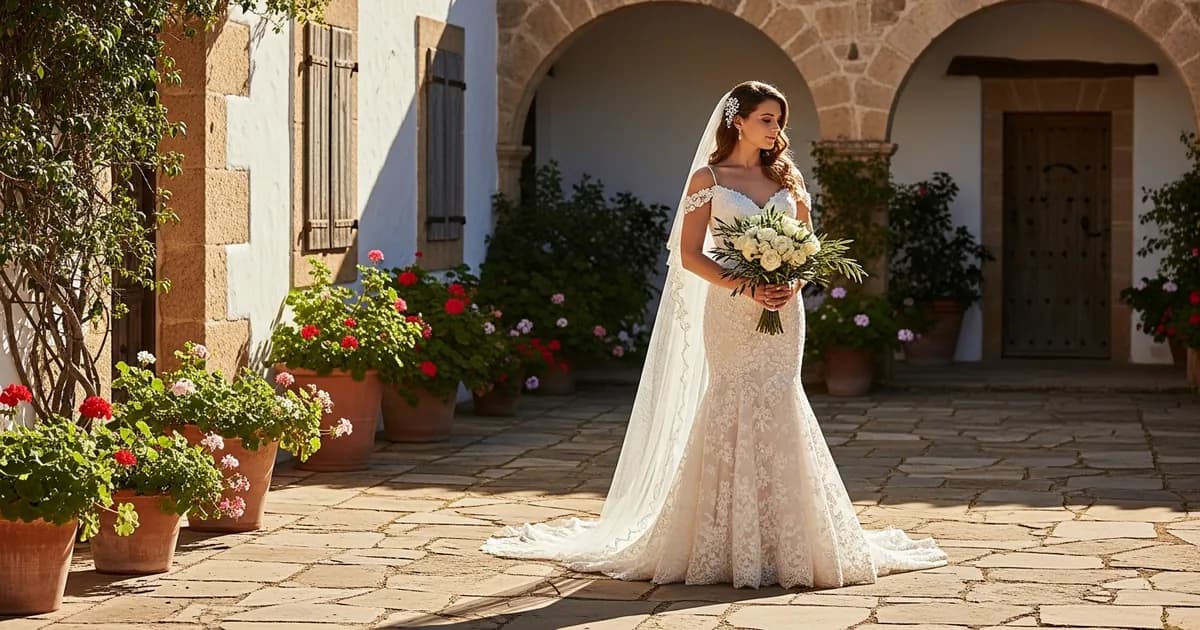
The mermaid silhouette hugs the body from the chest to the knee or calf, then flares into a small trumpet. Every step the bride takes becomes a picture. According to bridal fashion editorials including Vogue España, the mermaid has been among the runway favourites for several seasons and remains one of the most requested styles in Spanish boutiques.
It works best on figures with balanced upper-body and hip proportions. The mermaid emphasises every curve, so the bride should be clear that is exactly the effect she wants. It also works well on athletic or narrow-hipped silhouettes, as the flare at the hem adds feminine volume. One thing to keep in mind: if you are someone who dances all night, consider a design with a wider flare, or a mermaid with a detachable train.
Which type of wedding it suits
Elegant indoor venues: hotels, palaces, estates with stone or wooden floors. On beaches or in gardens with uneven terrain, walking in this silhouette can become complicated.
Princess and ball gown: classic romance
The princess cut (also called a ball gown) defines the waist with a fitted bodice and unfolds into a voluminous skirt from the hip. It is the silhouette most associated with the fairy-tale image: layers of tulle and embroidered lace that are as dazzling as they are heavy. Designers such as Pronovias and Rosa Clará keep it in their collections every season because demand never fades.
It is especially flattering for figures with broad shoulders or an inverted triangle shape: the voluminous skirt visually balances the upper body. It also suits straight or narrow-hipped figures, creating the illusion of curves. For silhouettes with significant hip volume, the skirt can feel excessive. In that case, the A-line is usually a lighter alternative with a similar effect.
Which type of wedding it suits
Religious ceremonies in churches or cathedrals, black-tie receptions in five-star hotels, large celebrations. The voluminous skirt requires space. It is not the best choice for an intimate restaurant wedding or a beach celebration.
Bohemian style: fabrics that float and visible craftsmanship
The boho dress spans a whole universe of finishes: Chantilly lace, chiffon that moves with the breeze, voluminous sleeves, floral embroidery, deep V-necklines. The line can be A-line or tiered, even column. What defines the bohemian style is visible craftsmanship and a relaxed romanticism that fits perfectly with the trend for outdoor weddings dominating 2025-2026 collections.
Trend reports from Telva and Hola! note that the boho style has gained ground in 2025-2026 collections, driven by the growing popularity of weddings at estates, vineyards and light-filled venues.
The lightweight fabrics and fluid cut are highly versatile and work well on almost every body type. Deep V-necklines elongate the neck and flatter fuller busts; lace sleeves add coverage without weight. It is less suited to very formal ceremonies or churches with a conservative dress code.
A-line (evasé): the silhouette that flatters everyone
The A-line starts fitted at the bodice and gradually opens toward the floor, forming an A shape. It is by far the most versatile cut and the one that flatters the widest range of body types: it defines the waist without clinging to the hips or thighs, and the skirt's flare balances with elegance.
It is especially flattering for pear-shaped figures because the skirt's flare distributes volume naturally. It also works very well on straight figures, adding the illusion of curves. For fuller silhouettes, the A-line avoids excess fabric clinging to the body, which can feel uncomfortable. When in doubt, this is your safe bet: in heavy fabrics like mikado it reads more formal; in chiffon or flowing silk, it gains lightness for outdoor settings.
All included
- Banquet venue
- Wedding Planner
- Marriage Paperwork
- Photographer
- Décor
- Flowers
- Master of Ceremonies
- Deejay
- Open Bar
Column cut: minimalist elegance
The column silhouette (also called sheath) falls straight from the shoulders to the floor, without strongly defining the waist or adding volume. Silk crepe, cady, satin or plain mikado are its typical fabrics. The opposite of the ball gown in philosophy: all line, little ornament.
Ideal for tall, slender figures, or for brides who prefer a very modern and controlled look. On shorter figures it can visually shorten the silhouette unless combined with a neckline or detail that elongates the line. For figures with significant volume at the hips or thighs, the column cut can feel restrictive or unflattering.
Civil ceremonies, minimalist celebrations, destination weddings or urban venues. Also beach weddings when chosen in a lightweight fabric. The column is the preferred cut for brides who want a clean, timeless image.
Short and mini dress: the bride who breaks the rules
The short wedding dress is here to stay. It can be a mini above the knee or a midi at mid-calf, with an asymmetric or straight hem. Materials range from structured organza to delicate lace. Many brides opt for a long dress for the ceremony and change into a shorter one for the reception, an option that more and more boutiques now offer as a two-dress package.
The short dress particularly flatters long, slender legs, though with the right length and cut it can work for any body type. A midi below the knee visually elongates the leg. The proportion between skirt length and the chosen footwear is what determines whether the result is flattering or not.
Civil ceremonies, intimate celebrations or destination weddings are its natural territory. It also works as a dress change at longer weddings. According to INE data, civil ceremonies now account for more than half of all marriages in Spain, a context where the short dress has every legitimacy.
The train: when the dress has its own moment
The train does not define a silhouette, but it radically changes the reading of any dress. It is worth knowing the terms to understand what is being requested or seen in a catalogue:
| Train type | Approximate length | Typical context |
|---|---|---|
| Sweep train | about 30 cm | Moderately formal weddings |
| Chapel train | 1.2 to 1.5 m | Religious ceremonies |
| Cathedral train | 2 m or more | Grand ceremonies |
| Royal train | 3 to 5 m or more | Royal or maximum gala weddings |
A long train is spectacular at the church entrance and in photos, but it requires attendants to manage it throughout the ceremony. Many designers offer detachable trains to make the transition to the reception easier.
Worth noting: if you are torn between a long train and none at all, consider the chapel train. It is spectacular enough for the entrance photos and manageable enough for the rest of the day.
Not sure which style suits you?
Before booking an appointment at any boutique, the Wedded dress recommender learns your taste by exploring different silhouettes and styles, then suggests options that match. It is free and works as the ideal starting point for arriving at boutique appointments with a clear idea of what you are looking for.
If you already have a style in mind and want to see how it looks on you, the virtual dress try-on lets you get a sense of the look using your own full-body photo. The first 5 virtual try-ons are free.
Conclusion
Some brides know from the very first moment that the mermaid is the only option. Others arrive at the boutique convinced they want a princess gown and fall for an A-line. Neither is wrong. What always helps is arriving knowing what each cut is called and what it requires. With that in hand, the appointment becomes a productive conversation, and the decision becomes genuinely yours.
Related Reading
This article was reviewed by our editorial team. How we create our content
Frequently Asked Questions
Not sure which one suits you?
Try every silhouette on your own photo with Wedded's virtual try-on. The first 5 try-ons are free.