What to Do After Getting Engaged
You just said yes. We walk through the first steps after your engagement: the announcement, setting a date, budgeting, and everything that comes before "I do".
Created with AI assistance and human review. Editorial standards

Puntos clave
- Before posting anything online, tell immediate family and your closest friends in person.
- Your real date is set by the venue: until you have a booking confirmed, everything else is provisional.
- Talk about money early. Adjusting the budget once contracts are signed is a far harder conversation.
- Lock in your photographer and catering as soon as possible: they are the suppliers who book out first in peak season.
- The dress needs more time than you think. Start exploring styles at least 12 months before the wedding.
- A save the date is not an invitation: it goes out nine to twelve months ahead, while the formal invitation follows six to eight weeks before the day.
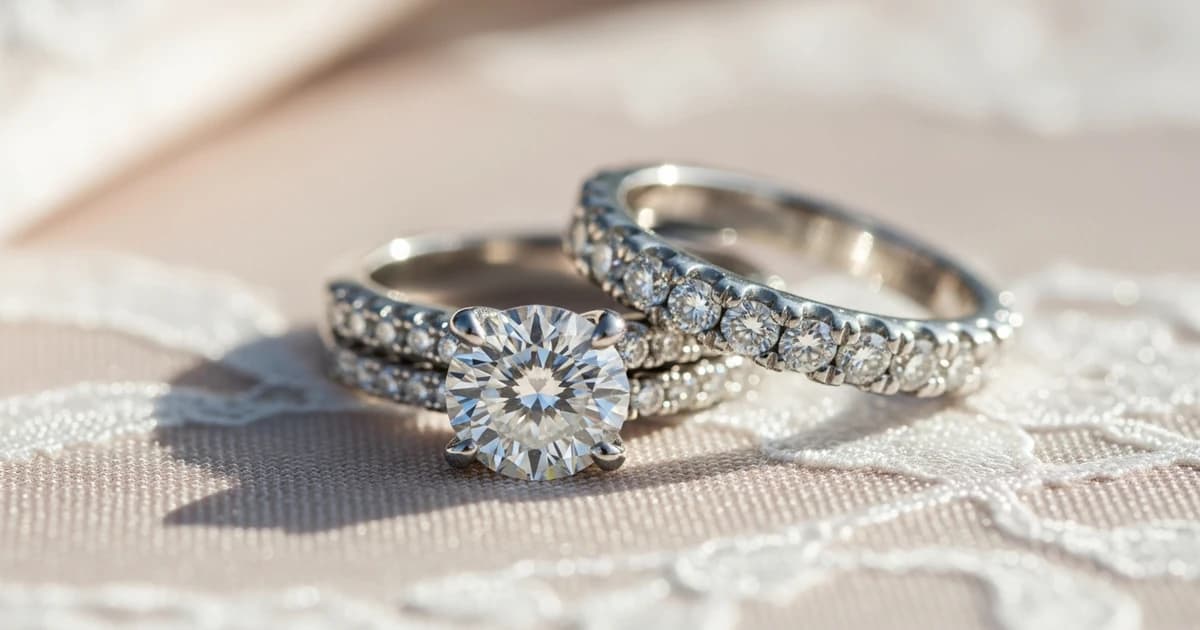
The ring still catches the light with that particular intensity of the first few hours, and your phone has not stopped buzzing. But somewhere between the champagne and the congratulations, the real question surfaces: what now? Getting engaged marks the beginning of a process that, for most couples, spans somewhere between 12 and 24 months, and the first moves you make in the weeks that follow set the pace for everything that comes after. Here, in genuine order of urgency, is what is worth doing first and what can wait.
The announcement: people before platforms
Before you post the ring photo on Instagram, there is a short list of people who deserve to hear the news from you directly, or at the very least from a phone call: parents, siblings, lifelong friends, and any close family member who would feel genuinely hurt discovering something so significant through a social media story. There is no written protocol, but the sting of finding out that way is very real, and avoiding it costs nothing.
If the proposal came as a complete surprise to your families, that first weekend is a natural moment to get together, even informally. A relaxed dinner at home, with no pressure or ceremony, is usually more than enough. Everything else can wait.
Setting a date: the first big decision you make together
The conversation about timing does not need to happen on day one, but it should not be put off for too long either. Are you thinking 12 months away? Two years? The answer depends on several factors that many couples do not sit down to consider together until the pressure has already started to build.
The first is your available budget and how long you need to save. The second is the availability of the people who matter most: if you have family abroad or friends with particularly packed schedules, sharing a rough date as early as possible gives everyone the best chance of being there. The time of year is also worth thinking about from the start. Peak wedding season in the UK runs from late spring through early autumn, and the most sought-after venues in cities like London, Edinburgh and Bath can book out 18 to 24 months in advance.
Once you have a rough window in mind, even something as loose as "spring 2027", the next step is to visit two or three venues. The real date is set by the venue.
The budget: putting a number on the dream before it grows
Talking about money in the first flush of excitement can feel unromantic. Having that conversation late, once commitments are already signed, is considerably more complicated.
Wedding costs vary widely depending on location, guest numbers and the kind of celebration you have in mind. A wedding for 80 to 100 guests in the UK can range from around £15,000 to well over £35,000, and in London or with premium suppliers that figure can climb significantly higher. Rather than chasing an average, the most useful thing is to sit down with your actual numbers: what you have saved now, what you can realistically set aside each month between now and the wedding, and whether any family contribution is likely.
Wedded's wedding budget calculator can help you divide that total across the main spending categories from the very beginning, before you have booked a single thing.
The first suppliers to book: who runs out of availability fastest
Once you have a date and a venue, there are two categories of supplier worth securing quickly because they work with very limited diaries.
Your photographer and videographer. The most established professionals can be fully booked more than a year in advance. If you already have a sense of the style you are drawn to, start reaching out as soon as your date is confirmed. You do not need every detail finalised before making contact.
Catering. If your venue does not have an in-house caterer, the most respected independent catering companies also have limited availability in peak season. A first meeting and a rough quote at this stage does not commit you to anything, but it gives you real information to work with.
Everything else (music, flowers, stationery and the finer details) can be arranged with more breathing room over the first six months of planning.
The dress: sooner than you think
One of the most common mistakes couples make is underestimating how much time the dress actually requires. Made-to-order gowns from bridal designers typically need between four and nine months from the point of ordering to delivery. If your wedding is in the spring and you do not start looking until the autumn before, your options narrow considerably.
Although there is no need to make a decision in the first few months, starting to explore styles early makes a lot of sense. Knowing whether you lean towards something minimal or sculptural, towards lace or structured satin, dramatically reduces the time you spend in appointments when the real fittings begin.
Wedded's dress finder works through a swipe-based system that learns your aesthetic from your reactions and surfaces styles that align with what you respond to. It is a way of training your eye without any pressure or a booked appointment. And if you want to see how a particular silhouette might look on you before stepping into a boutique, the virtual bridal fitting room lets you try styles using a full-length photo from your phone.
The save the date: communicating before you invite
Many couples treat the save the date and the formal invitation as the same thing, but they serve entirely different purposes. The save the date typically goes out nine to twelve months before the wedding, giving guests enough notice to hold the date in their diaries. It does not need to include every detail of the day, because at that point you probably do not have them all confirmed anyway.
The formal invitation, complete with timing, exact address and response details, is sent six to eight weeks before the wedding.
What can genuinely wait
In the wave of lists and advice that arrives the moment an engagement is announced, it is worth remembering that many decisions carry no urgency in the first few months at all.
The DJ or band, the cake design, table details, the exact menu, specific floral arrangements: all of that can and should wait until the foundations are in place. Those foundations are your date, your venue, your budget and your two or three highest-demand suppliers. Trying to decide everything at once in the first months creates a pressure that does not match the stage you are actually at.
Wedding planning takes time by its very nature. It has its own rhythms, and forcing decisions in the first weeks only to find yourself stalled later does not serve anyone.
Conclusion
The first month after getting engaged has one clear purpose: making the decisions that unlock everything else. Who you want to celebrate with, how many guests you are thinking of, what budget you are working with, and what time of year feels right. With those anchors in place, the rest of the process has a natural order. Start with the venue, move on to the suppliers with the most limited availability, and let the rest fall into place from there.
This article was reviewed by our editorial team. How we create our content
Frequently Asked Questions
Planning your wedding?
Download Wedded and organize all the details of your wedding with the help of AI.
Download on Google Play