Errores en la pedida de mano que conviene evitar
Los errores más frecuentes en una pedida de mano y cómo evitarlos: desde elegir mal el anillo hasta olvidar hablar con la familia. Guía práctica y sin rodeos.
Elaborado con apoyo de IA y revisión humana. Estándares editoriales
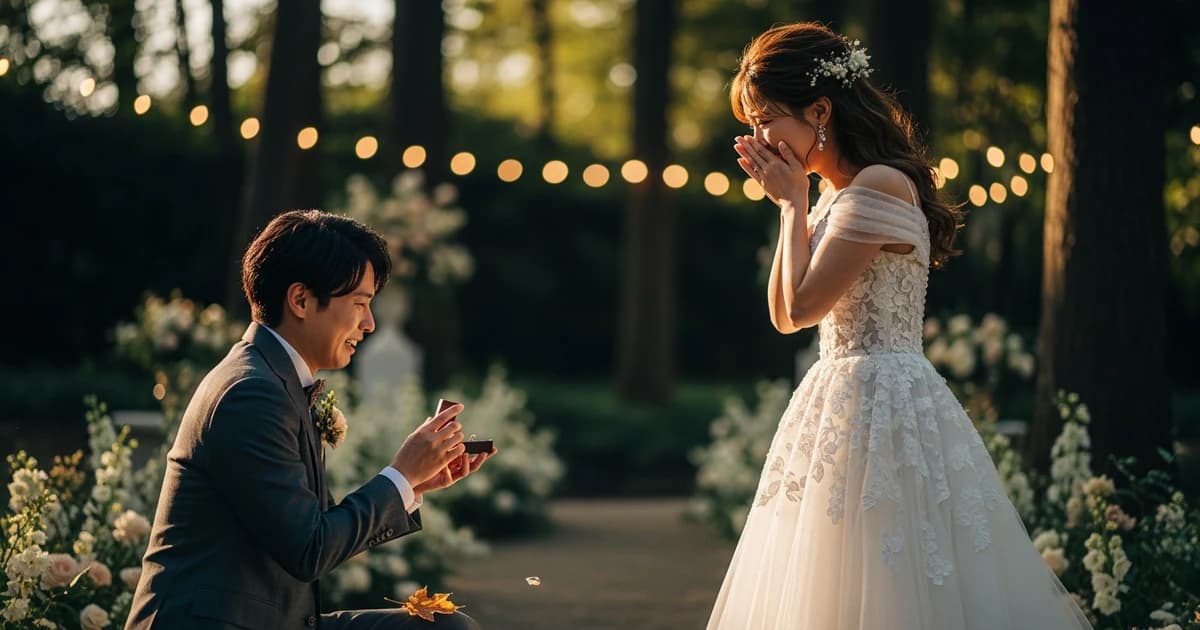
Los errores más comunes en una pedida de mano son elegir la talla equivocada del anillo, organizar una escena pública sin conocer las preferencias de tu pareja e improvisar el discurso. Más del 60 % de los anillos comprados sin medir necesitan ajuste posterior. Con tres a seis semanas de planificación y atención a estos cinco fallos, la propuesta tiene muchas más posibilidades de salir bien.
Puntos clave
- Averigua la talla del anillo antes de comprarlo: tomar prestado un anillo de la mano derecha de tu pareja es el método más fiable.
- Si nunca habéis hablado de matrimonio, la pedida sorpresa puede convertirse en una situación de presión innecesaria.
- Elige el escenario según la personalidad de tu pareja, no según lo que queda bien en vídeo.
- Preparar unas pocas frases concretas es mejor que improvisar: los nervios traicionan hasta a los más locuaces.
- Confirma disponibilidad de lugar, fecha y cómplices con antelación suficiente.
- Piensa también en el "después": una botella de cava en casa ya es un plan.
Muchas pedidas de mano se planifican con semanas de antelación y acaban torcidas por un detalle que parecía menor. A menudo, la causa principal es un exceso de suposiciones. Dar por hecho la talla del anillo o asumir que a tu pareja le encantará la sorpresa masiva son errores que se pueden prevenir. Aquí van los más frecuentes, sin anestesia.
Comprar el anillo sin saber la talla
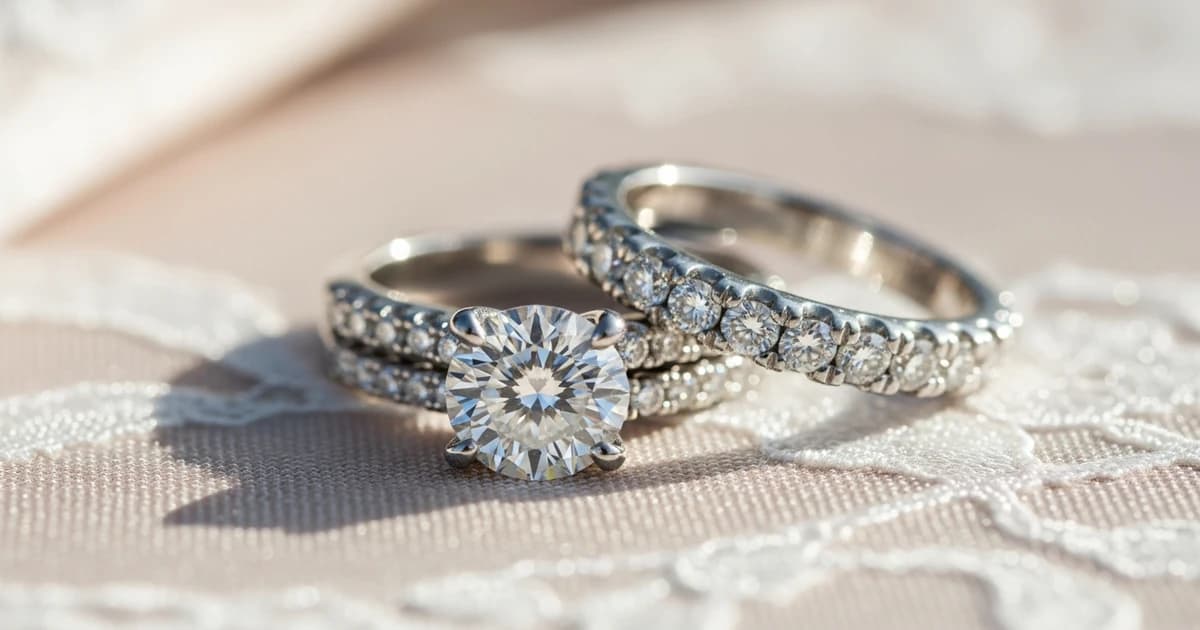
Es el error más práctico y, al mismo tiempo, el más fácil de resolver antes de que ocurra. Muchas personas llegan a la joyería con una vaga idea ("tiene los dedos finos") y salen con un anillo que no pasa del nudillo o que cae al suelo en el momento de la propuesta.
Hay varias formas de averiguar la talla sin desvelar la sorpresa. Puedes tomar prestado temporalmente un anillo que tu pareja use habitualmente en la mano derecha y llevarlo a que lo midan. También puedes pedir ayuda a una amiga cercana que ya sepa lo que planeas. Si ninguna opción es viable, compra una talla por encima de la estimada: reducir un anillo es una operación sencilla y económica en cualquier joyería, mientras que ampliar diseños con piedras engastadas en el aro puede volverse un problema serio, o directamente inviable.
Tienes todos los detalles sobre cómo medir correctamente en esta guía sobre la talla del anillo de compromiso.
Organizar una escena pública sin conocer bien a tu pareja
Las pedidas ante desconocidos llenan las redes de vídeos. Algunas son genuinamente emocionantes. Otras acaban siendo un momento de incomodidad grabado en alta definición, y quien lo pasa mal es precisamente la persona a quien querías sorprender.
Antes de contratar el cartel luminoso o hablar con el maître para que traiga el anillo con el postre, pregúntate con honestidad: ¿a tu pareja le gusta ser el centro de atención delante de gente que no conoce? ¿Ha comentado alguna vez que ese tipo de sorpresas le parecen bonitas o que le generan ansiedad? Esa respuesta vale más que cualquier escenario espectacular.
Una pedida íntima en un lugar con significado para los dos puede ser mucho más poderosa que una producción elaborada. Y si la respuesta es "no" o "todavía no", un entorno privado deja espacio para la conversación.
Ignorar la conversación previa sobre matrimonio
Pedir matrimonio como sorpresa absoluta cuando nunca habéis hablado del tema es un riesgo considerable. Aunque la respuesta sea afirmativa, el momento arrastra una carga de presión que le quita buena parte de la alegría.
Las parejas que han hablado abiertamente sobre si quieren casarse, cuándo y en qué condiciones llegan a la pedida con mucho más contexto compartido. La sorpresa puede seguir siendo total en cuanto al cuándo y al cómo; lo que no debería ser una incógnita es si los dos queréis dar ese paso.
Si la conversación nunca ha surgido de forma natural, hay formas sutiles de introducirla: comentar la boda de unos amigos o preguntar qué tipo de celebración os imagináis. Aprovechar esos momentos es pura inteligencia emocional, no trampa.
Improvisar el discurso
Hay personas que hablan bien bajo presión y que en ese momento encuentran las palabras exactas. Son las menos. La mayoría, cuando llega el instante, mezclan los nervios con el olvido y terminan diciendo algo genérico que no refleja en absoluto lo que sienten.
Preparar lo que vas a decir no le resta espontaneidad al momento. Al contrario: saber que tienes algo concreto que expresar libera la atención para estar presente, mirar a los ojos y notar la reacción de la otra persona.
No hace falta un monólogo de diez minutos. Tres o cuatro frases que expliquen por qué quieres casarte con esa persona en concreto, con algún detalle real y compartido, son suficientes. Más sobre cómo estructurarlo en este artículo sobre el discurso ante los suegros, que incluye ideas aplicables también al momento de la propuesta.
No tener en cuenta a la familia cuando importa
Este punto depende mucho de la pareja y de la familia. En algunos contextos, avisar previamente a los padres es un gesto que se agradece profundamente; en otros, es un trámite innecesario. Lo que no conviene es asumir sin más.
Si sabes que tu pareja tiene una relación muy estrecha con sus padres y que para ella o él sería importante que estuviesen al tanto, una llamada previa puede ser determinante. No hace falta ninguna petición formal de permiso en el sentido tradicional: basta con compartir la noticia antes de que ocurra, para que la familia no se entere por una historia de Instagram.
Por otro lado, si la relación familiar es complicada o distante, involucrar a los padres puede añadir tensión innecesaria. Saber leer la situación es parte de la planificación.
Todo incluido
- Salón de banquete
- Wedding Planner
- Expediente Matrimonial Completo
- Fotógrafo
- Decoración
- Flores
- Maestro de Ceremonias
- Deejay
- Barra Libre
Elegir una fecha o un lugar sin verificar la disponibilidad
Imagina que has reservado mentalmente la pedida para el aniversario de vuestra primera cita, en el restaurante donde os conocisteis, y cuando llamas descubres que ese día está cerrado por reforma. O que tu pareja tiene ese fin de semana un viaje de trabajo que olvidaste.
Parece obvio, pero ocurre con más frecuencia de lo que parece. Confirmar la disponibilidad del lugar, del día y de cualquier persona que vayas a involucrar en la sorpresa es un paso que no puede saltarse. Si el lugar elegido tiene lista de espera, hay que reservar con antelación suficiente.
Para explorar opciones concretas de dónde hacer la pedida, analizando cada tipo de escenario, tienes esta selección de lugares para la pedida de mano.
Descuidar los detalles logísticos cuando hay terceros implicados
Algunas pedidas implican cómplices: el amigo fotógrafo que se coloca en un punto estratégico, el camarero que sabe cuándo traer el anillo, los amigos que esperan en el siguiente local para celebrar. Cuantas más personas intervienen, más puntos de fallo potenciales hay.
Si vas a coordinar a varias personas, asegúrate de que todas tienen instrucciones claras, un plan B y tu número de teléfono. Un cómplice que llega tarde, que se coloca en el sitio equivocado o que saca el anillo antes de tiempo puede desbaratar semanas de planificación.
La regla general: cuanto más compleja sea la logística, más tiempo de antelación necesitas para ensayarla mentalmente y resolver imprevistos.
Olvidar que después de la pedida empieza otra etapa
El momento de la propuesta concentra tanta energía que a veces se olvida lo que viene justo después: avisar a la familia, brindar con los amigos más cercanos, responder las primeras preguntas sobre la boda. Tener aunque sea un esquema de qué va a pasar en las horas siguientes evita la sensación de vacío que a veces aparece tras el pico de adrenalina.
No hace falta planificar una fiesta sorpresa. Puede ser tan sencillo como tener una botella de cava en casa o haber reservado mesa en un sitio que os guste. El gesto de haber pensado en ese "después" es en sí mismo parte del detalle.
La guía completa sobre cómo organizar la pedida de principio a fin, con la tradición y los pasos prácticos, está en pedir la mano: guía y tradición.
Conclusión
Mira, nadie espera que la pedida salga como una película. Lo que de verdad influye es haber prestado atención: a la talla del anillo, a si vuestra conversación sobre el futuro ya ha ocurrido y al tipo de escenario que realmente le va a tu pareja. La mayoría de los errores que arruinan este momento nacen del mismo sitio: suponer en lugar de preguntar, o planificar para la foto en lugar de para la persona. Cuando el foco está en ella o en él, y no en la producción, el recuerdo aguanta toda la vida. El resto es atrezzo.
Lectura Relacionada
Este artículo fue revisado por nuestro equipo editorial. Cómo creamos el contenido
Preguntas Frecuentes
¿No sabes cuál te favorece?
Pruébate cada silueta en tu propia foto con el probador virtual de Wedded. Las primeras 5 pruebas son gratis.