Best Season to Get Married in Spain
Spring and autumn host the majority of weddings in Spain, but the ideal season depends on your region's climate, your budget and the kind of celebration you have in mind.
Created with AI assistance and human review. Editorial standards
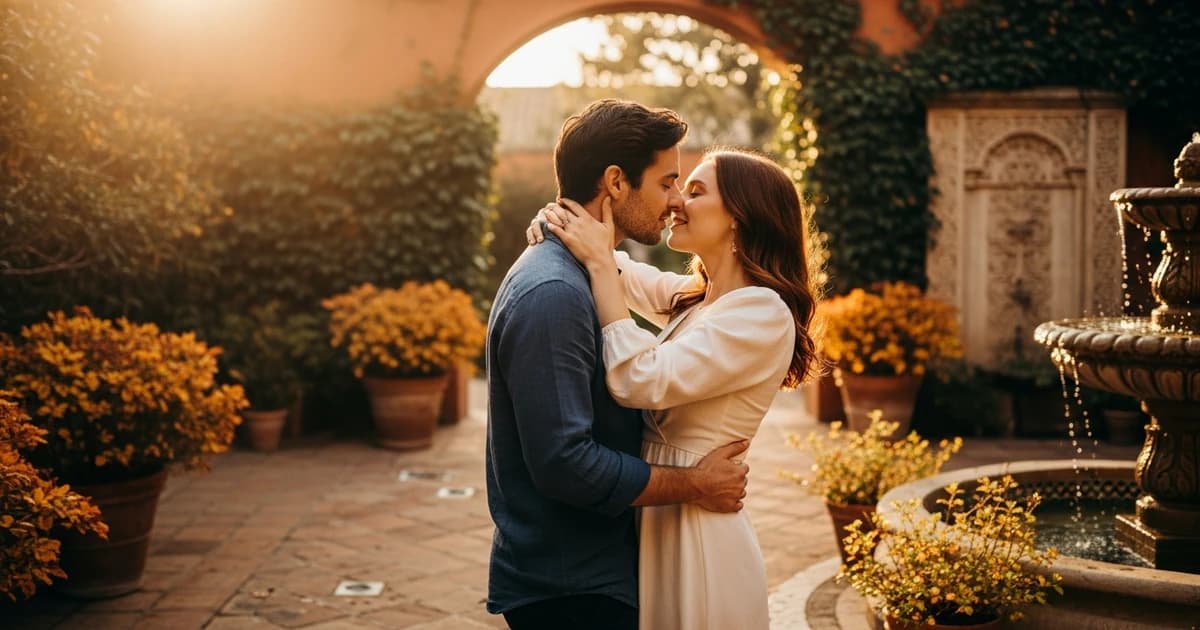
Every September, civil registries across Spain receive more marriage applications than in any other month of the year, according to the INE marriage statistics. That is no coincidence: behind that figure are thousands of couples who carefully weighed the temperature, the budget and how easy it would be to find the right venue before signing a single contract. Choosing the right season can make the difference between a celebration that matches your vision and one that spends the whole day negotiating with the weather or the spreadsheet.
Below, we work through all four seasons with real data and regional nuance, without glossing over the compromises each time of year demands.
Key takeaways
- September and May attract the highest demand for weddings in Spain according to the INE; booking 18 a 24 months in advance is standard for those dates.
- Climate varies enormously by region: what works in Málaga in October can be a logistical headache in Galicia that same month.
- Peak season (May a September) pushes up the cost of venues, catering and photography; marrying between October and March can mean significant savings on your venue alone.
- Winter has genuine advantages: open dates and lower prices, with an intimate atmosphere that spring does not always deliver.
- September light is, in our view, the most photogenic of the year in Spain. Warm, golden and long-lasting, without the harsh contrast of midsummer.
- A word of caution about northern Spain: Galicia, Asturias and the Basque Country play by their own rules. Summer is the only genuinely reliable bet for outdoor celebrations there.
Why the season matters so much in wedding planning
Spain does not have a uniform climate. Conditions at a Sevillian cortijo in July bear no resemblance to those at a Catalan masia that same month, or to a Cantabrian parador in September. Before settling on a season, it is worth placing the wedding firmly in its specific geographical context.
That said, there are variables the season affects directly regardless of where in Spain you are celebrating: venue price, supplier availability and the quality of natural light for photographs. All three deserve an honest assessment.
Spring: the most coveted and most competitive season
April, May and the first half of June attract extraordinarily high demand. The reasons are obvious: pleasant temperatures across almost the entire peninsula, gardens in full bloom and golden light well into the evening.
The problem is precisely that popularity. The most sought-after venues in Andalusia, Madrid and Valencia have their spring dates booked up to 20 months in advance. Prices reflect that pressure: caterers and photographers are working at full capacity and have little room to negotiate. Florists, frankly, run out of availability for certain weekends altogether.
What works well in spring
Outdoor weddings are the clear winners. A garden ceremony at six in the evening in May, with natural light until nine, offers photographic conditions that are genuinely hard to match. For celebrations in the south or centre of the peninsula, the risk of rain is low, though not zero: April can bring showers, particularly along the Mediterranean coast.
In terms of weather, spring is the safest choice for couples planning an outdoor wedding, provided you book far enough in advance and accept that the budget will be higher than at other times of year.
The northern caveat
In Galicia, Asturias, Cantabria and the Basque Country, May can be decidedly wet. The series históricas de la AEMET consistently place May among the months with the highest accumulated rainfall along the Cantabrian coast. A spring wedding in those regions needs a venue that works just as well under cover as in the open air.
Summer: extreme heat, magical evenings and premium prices
June in full, July and August divide couples fairly cleanly. Those marrying in southern Spain in the middle of July accept temperatures that can exceed 38°C in the afternoon, which means pushing the ceremony to seven or eight in the evening and dinner past midnight. That is not a minor inconvenience: older guests struggle with the heat, children collapse well before the speeches are done, and the logistics of the day become considerably more complex.
Even so, summer evenings in Spain carry a particular kind of magic. A terrace in Seville or Murcia at eleven at night, with perfect temperatures and a clear sky overhead, is an experience few other seasons can offer. Summer evening weddings work especially well in the south and the Levante; in the Castilian interior, nights are also cool and wonderfully pleasant.
July and August are the most expensive months of the year for almost every supplier. Most photographers and live bands have their peak-season rates in force, and the most popular venues offer no discounts whatsoever. If money is a concern, high summer is simply the least economical season of all. You will find specific strategies for managing costs in the guide to planning an affordable wedding in Spain.
All included
- Banquet venue
- Wedding Planner
- Marriage Paperwork
- Photographer
- Décor
- Flowers
- Master of Ceremonies
- Deejay
- Open Bar
Autumn: a season that has firmly established itself on the wedding calendar
September and October have become a genuine force on the Spanish wedding map. According to INE Marriage Statistics (2020 a 2022), September competes directly with June as the most popular month, and it is not hard to see why.
Temperatures have dropped enough for an early-evening ceremony to feel comfortable even in Andalusia. The light in September is something special: warm and golden, with a quality that photographers genuinely appreciate. Venues, while still technically in peak season during September, begin to show more availability from the second half of October onwards.
October and November: the dividing line by region
Geography is decisive here, and it is worth taking seriously. In Málaga, Alicante or the Canary Islands, October is effectively an extension of summer, with temperatures between 22°C and 26°C and minimal rainfall. If Málaga is on your shortlist, the breakdown of wedding costs in Málaga covers what that season choice means for the budget in practical terms. In Galicia or the Basque Country, the probability of rain in October is already high and must be factored carefully into any decision between indoor and outdoor spaces.
November marks the start of low season across most of the country. Prices fall and availability opens up: many venues offer terms in November that they would not consider in May. A November wedding in a well-chosen indoor setting can be every bit as beautiful as any spring celebration, with the added benefit of a much more comfortable negotiation with every supplier on your list.
Winter: intimate, affordable and wide open
December, January and February see the lowest number of weddings in Spain, and that translates into concrete advantages for couples willing to take the plunge.
Venue availability is at its peak and photographers have open diaries. Prices are noticeably lower than in peak season: a venue charging a premium hire fee in June may offer very different terms in January.
The winter option works best in indoor settings: farmhouses with open fires, historic palace ballrooms with warm candlelit interiors, or wine cellars wrapped in soft amber light. Natural light is limited, which calls for a photographer experienced in interiors and a well-planned artificial lighting scheme. The results, though, can be extraordinarily elegant.
December carries the added advantage that many guests are already in a festive frame of mind, which tends to boost attendance. The drawback is that it competes with office parties and Christmas commitments, so communicating the date well in advance is essential.
If you are considering a daytime winter wedding, the midday light in the south of the peninsula can be surprisingly beautiful: clear skies and temperatures hovering around 15°C.
A quick regional guide
The choice of season cannot be separated from where the wedding is taking place. A useful overview:
Andalusia and Murcia: the most comfortable windows are spring (abril a mayo) and autumn through to mid-October. Summer is only workable with evening timings, which suits the local culture perfectly but is not for everyone. Winter is mild and works beautifully for intimate weddings in characterful venues.
Valencia and Catalonia: spring and early autumn are the norm, though September rainfall along the Mediterranean coast deserves attention (a DANA weather event can turn an outdoor afternoon into chaos within minutes). Coastal summer is in very high demand and prices reflect that.
Madrid and Castile: summer here is intense but evenings are cool and clear. Spring and early autumn are the most comfortable choices for daytime ceremonies. Winter can be bitterly cold, which makes indoor venues with good heating a non-negotiable.
The north (Galicia, Asturias, Cantabria, Basque Country): summer is the only truly safe season for outdoor celebrations. The rest of the year demands a venue that functions equally well indoors, with a clear plan for rain. The landscape is extraordinary year-round; the weather is simply unpredictable.
The Canary Islands: practically any month works. The archipelago's subtropical climate means temperatures remain stable throughout the year, which is why the Canaries attract a growing number of destination weddings from couples who want to sidestep the mainland's seasonal constraints entirely.
The budget argument for off-peak dates
One of the most persuasive reasons to consider November, January or February is the financial one. Venues that operate on seasonal pricing (the majority of fincas, hotel gardens and rural properties) apply their lowest rates during these months. The saving on the venue alone can free up a meaningful portion of the overall budget for other priorities: a better photographer, a live band, or simply a more relaxed financial situation in the months after the wedding.
The trade-off is real: fewer hours of natural light, a smaller pool of available outdoor spaces, and the need to invest more in interior lighting and decoration. But for couples who place more value on the quality of the food, music and company than on an outdoor ceremony, the off-peak calculation often makes very good sense.
For a detailed breakdown of where the money typically goes, the guide to wedding budgets in Spain covers the main cost categories by season.
Conclusion
The best season to get married in Spain is the one that fits your region and the kind of celebration you have in mind. September and May are popular for solid reasons, and if those months call to you, book early and commit. But it is worth pausing before defaulting to the obvious choice. Some of the most memorable weddings happen in January, when a candlelit room full of people who genuinely wanted to be there feels warmer than any summer garden. Others happen in a rainy November in Galicia, precisely because the couple knew exactly what they were signing up for and planned accordingly.
The season sets the stage, but it does not write the story. Think about what kind of day you actually want, then work backwards from there. That question, more than any calendar or climate chart, will point you in the right direction.
This article was reviewed by our editorial team. How we create our content
Frequently Asked Questions
Not sure which one suits you?
Try every silhouette on your own photo with Wedded's virtual try-on. The first 5 try-ons are free.


