5 reasons to hire a DJ for your wedding
Hiring a DJ for your wedding guarantees continuous music, the ability to read the room and a more manageable price tag than a live band. The five key reasons.
Created with AI assistance and human review. Editorial standards
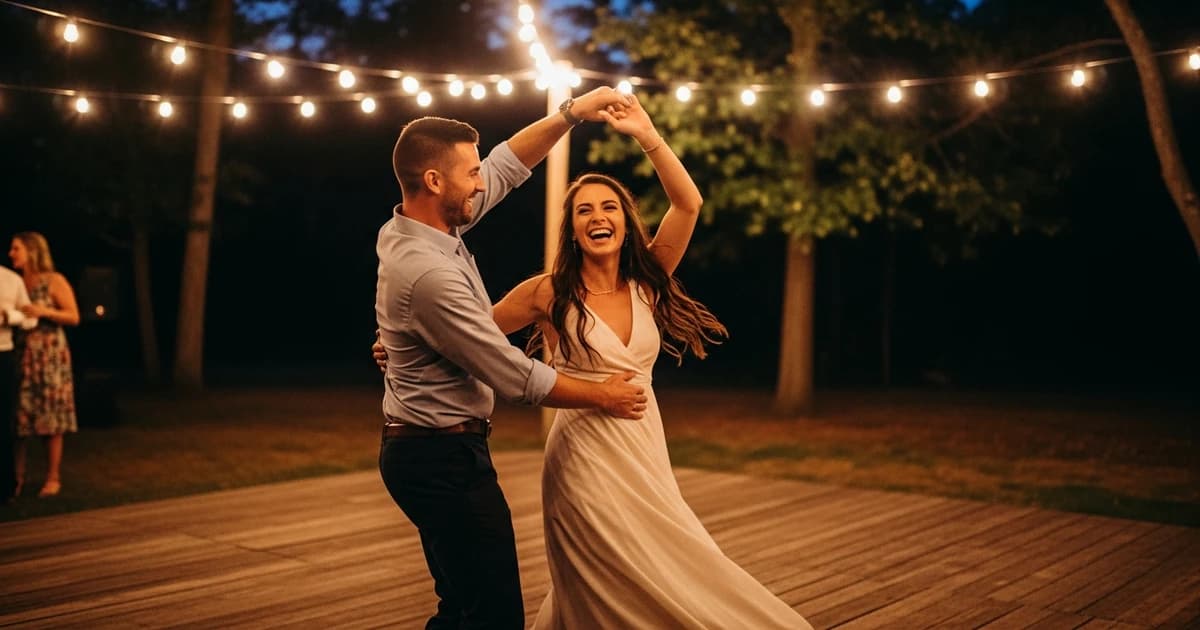
It is remarkable how, years later, the music from a wedding tends to be remembered with particular intensity. Not the menu or the floral arrangements: what stays with people is the song that was playing when the couple walked in, and the exact moment the dance floor filled all at once. A wedding DJ is, in large part, the person responsible for whether those moments happen or not. Here are five concrete reasons to hire one, along with the data and the questions worth asking before you sign anything.
Key points
- A DJ keeps the music going without interruption throughout the reception, something a live band cannot guarantee given their obligatory breaks.
- Access to a virtually unlimited repertoire means covering everything from Motown to drum and bass without anyone having to miss out on their moment.
- A good DJ reads the room and adjusts what is playing before the dance floor empties.
- Average costs in the UK sit between £600 and £2,000, well below a live band of comparable quality.
- Hiring a DJ means dealing with a single point of contact for the musical side of the evening, with technical equipment and logistics all handled by one person.
1. Continuous music from start to finish
A live band needs breaks. They are human: every ninety minutes or so they stop for around twenty minutes, and in those gaps the dance floor empties and the atmosphere cools. A DJ keeps the sound going without interruption for the entire evening. Full stop.
This matters more than it might seem. The average reception after the wedding breakfast at UK weddings regularly runs to five hours or more. Five hours of continuous music with carefully handled transitions keeps a party moving in a way that stop-start sets simply cannot sustain.
Continuity also allows something couples genuinely appreciate: the DJ can extend or shorten sections depending on how the crowd is responding. If the dance floor is still packed at midnight, there is no reason to cut the music to follow a fixed running order.
2. A virtually unlimited repertoire
A band of eight musicians has a rehearsed repertoire of perhaps fifty to a hundred songs. A DJ has access to almost any track ever released. That difference becomes very apparent when guests request specific songs or when the playlist needs to move between Fleetwood Mac, nineties pop, grime and something harder as the night goes on.
At modern weddings, eclecticism is the norm. A couple might have guests in their fifties who want to hear The Smiths and cousins in their twenties expecting Dua Lipa. A DJ manages that diversity without anyone having to sacrifice their moment, and you feel it on the dance floor almost immediately.
Before booking, it is worth putting together a reference list with two clearly defined sections: the songs that absolutely must be played, and the ones that are strictly off limits. A serious professional will treat that list as their starting point. They will know what to do with the space in between without needing it spelled out.
If you want to involve guests in requests, this is worth reading: Spotify Jam at your wedding can work well as a complement to the DJ's set during the drinks reception.
3. Reading the room
What makes a genuinely good DJ is where their eyes are. They watch the dance floor constantly and adjust what is playing accordingly. If a run of tracks is clearing the floor, they change direction before the damage becomes irreversible. If a particular genre is landing well, they lean into it.
That skill requires experience and cannot be learned from a YouTube tutorial. A DJ with a hundred weddings behind them knows that eleven o'clock at a country house reception with a predominantly older crowd is not the moment for four-to-the-floor techno, and that a younger guest list in a city venue might be ready for it much earlier in the night. These nuances are what lift a reception from perfectly adequate to genuinely memorable. In my view, this criterion should carry more weight than price when choosing between candidates.
When you meet with prospective DJs, ask them about difficult situations they have managed: an empty dance floor at midnight, or a request from a parent that clashed directly with the mood in the room. Specific answers reveal far more than any portfolio.
All included
- Banquet venue
- Wedding Planner
- Marriage Paperwork
- Photographer
- Décor
- Flowers
- Master of Ceremonies
- Deejay
- Open Bar
4. A more manageable cost than other live options
Average wedding DJ prices in the UK sit between £600 and £2,000, depending on the length of the set, the equipment included and the location. A live band of comparable quality can cost anywhere from £3,000 to £8,000 or more, before factoring in travel and accommodation if the wedding is in a remote venue.
That said, a DJ is not the universal answer. For an intimate ceremony of twenty people or a drinks reception with a very specific atmosphere, live music at the drinks reception can offer something no speaker system replicates. For the dancing that follows the meal, a DJ offers a value-to-result ratio that is hard to match.
One detail many couples overlook: some DJs include a full sound and lighting rig in their fee, which can represent a significant saving compared with hiring that equipment separately. Always ask what is included before comparing quotes.
5. A single point of contact for everything music-related
With a band, coordination multiplies: an agent, the musicians themselves and a sound engineer, each with their own schedule. With a DJ, there is one person responsible for everything connected to the music at your reception. The repertoire, the equipment and the volume levels all sit with the same individual. That concentration of responsibility simplifies the logistics of the months leading up to the wedding considerably, and when you are already managing twenty things at once, that is a genuine relief.
This point carries extra weight when the venue does not have its own in-house sound system, which is common at barn and countryside locations. The DJ arrives with their own kit, sets it up and takes it away. You do not need to manage a separate hire or coordinate additional suppliers.
For a broader view of how the DJ fits into the overall process of choosing your wedding suppliers, there is more in how to choose your wedding vendors.
What to check before signing the contract
Beyond listening to demos and reading reviews, there are four questions worth asking at your first meeting:
Do you have public liability insurance? A serious professional will. Some venues require it before allowing any external supplier to work on their premises.
What equipment do you bring and what do you need from the venue? Available power supply, space for the booth and access for loading and unloading. These technical details can affect whether a booking is even feasible.
How do you handle live requests? Every DJ has their own approach. Some accept requests without filtering, others assess them before playing. Knowing their method avoids surprises on the night.
What happens if there is a serious technical problem? A professional will have clear answers: backup equipment, an emergency contact and a specific protocol for when the sound fails. If they go blank on this question, that tells you everything you need to know.
The post on songs for the entrance to the wedding breakfast can help you put together the reference list you will hand to your DJ with plenty of time to spare.
Conclusion
Having covered a great many weddings, one thing comes up again and again: when the music works, nobody mentions it, because it simply becomes part of the atmosphere of the night. When it does not work, it is the first thing everyone brings up the following day. Hiring a good DJ is not an absolute guarantee of anything, but it does reduce the margin for error considerably. The question to ask yourselves is not whether it is worth it, but how much time you are prepared to invest in finding the right person. Some DJs are mediocre, some are genuinely skilled, and a rare few turn an ordinary wedding into something people are still talking about years later. The difference lies in the questions you ask before you sign.
Related reading
This article was reviewed by our editorial team. How we create our content
Frequently Asked Questions
Not sure which one suits you?
Try every silhouette on your own photo with Wedded's virtual try-on. The first 5 try-ons are free.


