Civil Wedding: Choose Between Courthouse, City Hall, or Notary
Getting married civilly? Discover the differences, costs, and timelines for getting married at the courthouse, city hall, or notary and choose the perfect op...
Created with AI assistance and human review. Editorial standards

Congratulations on your engagement! Now begins one of the most exciting moments: planning the day you'll say "I do." If you've chosen a civil wedding, you've probably already had some initial doubts. Is it better to get married at the courthouse, city hall, or before a notary? If you haven't yet celebrated the engagement dinner, this article will help you organize the next big step toward your wedding.
Don't worry, it's normal to feel a bit lost at first. There are many decisions and the paperwork can seem overwhelming. But take a deep breath, because we're here to help you understand everything. This guide is like a chat with a friend who's already been through this, and will guide you step by step so you can choose the perfect option for you.
By the end of this article, you'll know exactly what each option entails, how much it costs, and what documents you need. You'll see how, with the right information, making this decision is much simpler than it seems. Let's plan together the first step toward your big day!
What Are the Differences Between Getting Married at a Courthouse, City Hall, or Notary?
To start on the right foot, it's essential to understand that, although the final result is the same (you'll be legally married!), the path to get there varies a bit. Each place has its own personality, timelines, and costs.
Courthouse (Civil Registry): This is the official starting point for almost everyone. This is where the marriage file is initiated, the set of documents that proves you meet all the requirements to get married. Sometimes, the ceremony can also be held here, although it tends to be the most sober and quick option. Think of it as the pure administrative process, without many frills.
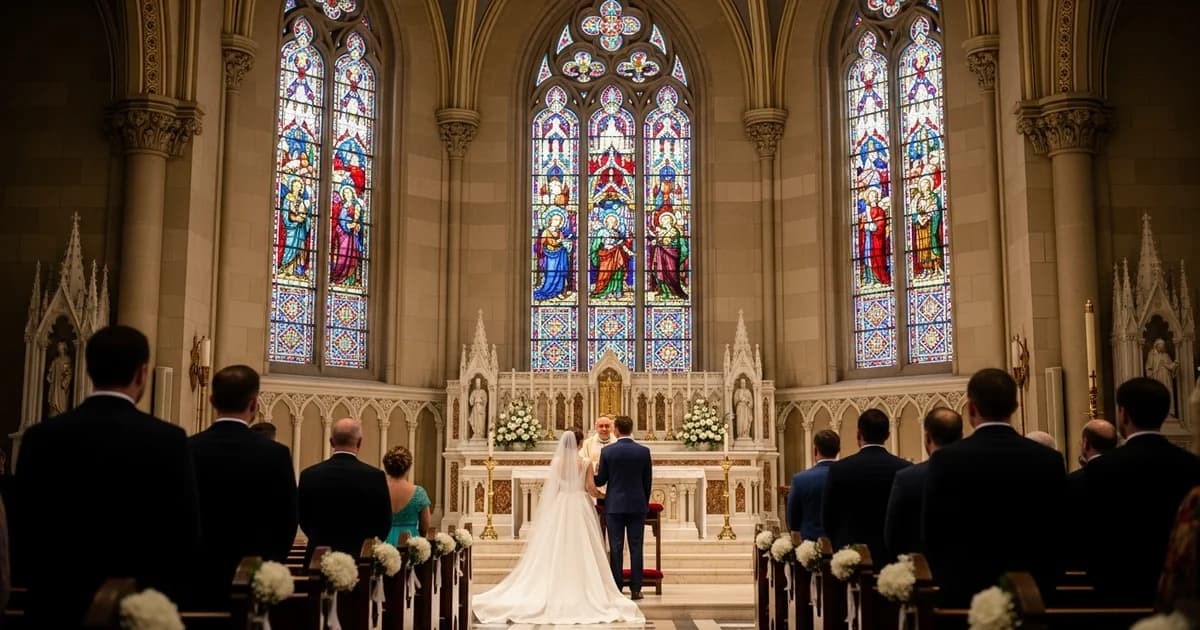
City Hall: This is, without a doubt, the most popular option for couples who want a charming civil ceremony. City halls usually offer beautiful council chambers or historic spaces for the celebration. The mayor or a councilor officiates the wedding, which gives it a more institutional and solemn touch. It's ideal if you dream of a beautiful ceremony, surrounded by your loved ones, but without religious connotations.
Notary: This is the most recent alternative, available since 2015. It's the fastest and most flexible route. A notary has the authority to legally marry you, and the great advantage is agility. If you want to avoid waiting lists and have more control over the date and time, this may be your best option. The ceremony is usually more intimate and direct, perfect for couples seeking efficiency above all.
In summary, the courthouse is the paperwork, city hall is the ceremony with charm, and the notary is speed and flexibility. Now, let's see what you need for each one.
Requirements and Paperwork for Each Option
This is where many couples get overwhelmed, but I promise you, if we do it step by step, it's not that complicated. The first and most important thing is the marriage file. This is the set of documents you must process at the Civil Registry corresponding to your place of residence (if you live in different cities, you can choose either one).
1. Initiate the Marriage File
Regardless of where you get married, the first step is always the same: request an appointment at the Civil Registry to open your file. For this, you'll need the following documentation (original and photocopy):
- ID, passport, or residence permit valid for both.
- Literal birth certificate: Requested at the Civil Registry of your place of birth. Careful! It expires after 3 months.
- Certificate of residence: Obtained from the city hall where you're registered. It's important that the address listed is from the last two years. If you've lived in several places, you'll need historical residence certificates.
- Sworn declaration of marital status (or certificate of life and status): Filled out at the Civil Registry itself.
- Marriage application: A form they'll give you there.
Additionally, you'll need to be accompanied by one or two witnesses (depends on the Civil Registry) who are not direct family members. They will attest that your relationship is real and not a marriage of convenience. For more details about the vital role of witnesses in your wedding, we recommend reading our article on wedding witnesses, where we explain their legal and ceremonial responsibilities.
Once everything is submitted, a prosecutor will review the file and, if everything is correct, will issue a favorable ruling. This document is the "green light" that authorizes you to get married. You've completed the hardest part!
2. Choose Where to Hold the Ceremony
With the favorable ruling in hand, it's time to decide where you want the wedding to take place.
- To get married at City Hall: You must take the approved file to the city hall you choose. You can get married in your city or any other in Spain that you like (perfect for a destination wedding!). Keep in mind that each city hall has its own waiting lists and fees. After choosing your civil ceremony location, don't forget to explore our recommendations on wedding venues and reception halls, where you'll find excellent options for your celebration afterward.
- To get married before a Notary: The process is similar. Contact your preferred notary, deliver the file, and set a date. The main advantage is that waiting lists are usually much shorter, sometimes just a few weeks.
- To get married at the Courthouse: If you decide to hold the ceremony at the Civil Registry itself, they'll simply give you a date once the file is approved. This is usually the option with briefest ceremonies and on weekdays.
All included
- Banquet venue
- Wedding Planner
- Marriage Paperwork
- Photographer
- Décor
- Flowers
- Master of Ceremonies
- Deejay
- Open Bar
Comparison of Costs, Timelines, and Personalization
To make everything clear and simple, we've prepared a summary table. This way you can compare at a glance and see which option best fits your priorities and budget.
| Feature | Courthouse / Civil Registry | City Hall | Notary |
|---|---|---|---|
| Cost | Generally free. | Varies widely. Can range from free to over €300, depending on the day and space. | Cost is set by the Notaries Association. Usually around €150-500, depending on whether it's at the notary office or elsewhere. |
| Timelines | Long. Processing the file can take 3-6 months. The waiting list for the ceremony can also be long. | Variable. After file approval, the wait for the ceremony can range from 1-6 months, especially for weekends. | Very short. Once the file is approved, the wedding can be held within days or weeks. It's the fastest option. |
| Customization | Very low or none. It's an administrative act, brief and formal. Readings, music, or decoration are not allowed. | Medium-High. Allows customization with music, readings by family or friends, and sometimes floral decoration. The space is usually nicer. | Medium. The notary reads the Civil Code articles. A brief personal reading can be added. Flexibility lies in when and where. |
| Location | In Civil Registry offices. Usually functional and unwelcoming rooms. | In a city hall chamber, which can be historic and elegant. Sometimes they offer unique spaces like gardens or municipal castles. | In the notary's office. Can also travel to another location (estate, restaurant, etc.), though cost increases. |
| Schedule | Limited to weekday mornings. | Usually offer more flexibility, including afternoons and weekends (though at higher cost). | Maximum flexibility. Date and time can be arranged directly with the notary, including weekends. |
| Ideal for... | Couples seeking a purely legal process, cost-free and without elaborate ceremony. | Couples wanting an emotional and beautiful civil ceremony, surrounded by guests, in a solemn place. | Couples in a hurry, seeking date flexibility, or wanting a very intimate and quick ceremony. |
Practical Tips for Your Planning
You now have all the information, but let me give you some final tips from experience to make the process even easier:
- Start the paperwork as soon as possible. The marriage file is what takes the most time. Our recommendation is to start the process 6-12 months before your intended date. If you're still thinking about the best time of year to get married, we recommend consulting our article on the best season for a wedding, which will help you choose the perfect date considering factors like climate, venue availability, and cost.
- Check fees and availability. If you're leaning toward city hall, call to ask about fees (they vary if you're residents or not) and available dates before making a final decision.
- Think about the type of celebration. Do you want an intimate wedding or a big party? If you're just seeking the legal process and then having a symbolic ceremony elsewhere, the notary or courthouse are perfect. If you want the "I do" moment to be the central act with all your guests, city hall is your place.
- The notary can also travel. Did you know you can hire a notary to marry you at the estate or restaurant where you're holding the reception? It's a fantastic option to have legal validity and the ceremony of your dreams in the same place. The cost will be higher, but the convenience is undeniable.
- Don't confuse the officiant with legal validity. Sometimes couples hire a "master of ceremonies" to officiate a beautiful symbolic wedding at an estate. Remember that this has no legal validity. For the marriage to be official, you must sign beforehand at the courthouse, city hall, or notary.
This article was reviewed by our editorial team. How we create our content
Frequently Asked Questions
Not sure which one suits you?
Try every silhouette on your own photo with Wedded's virtual try-on. The first 5 try-ons are free.