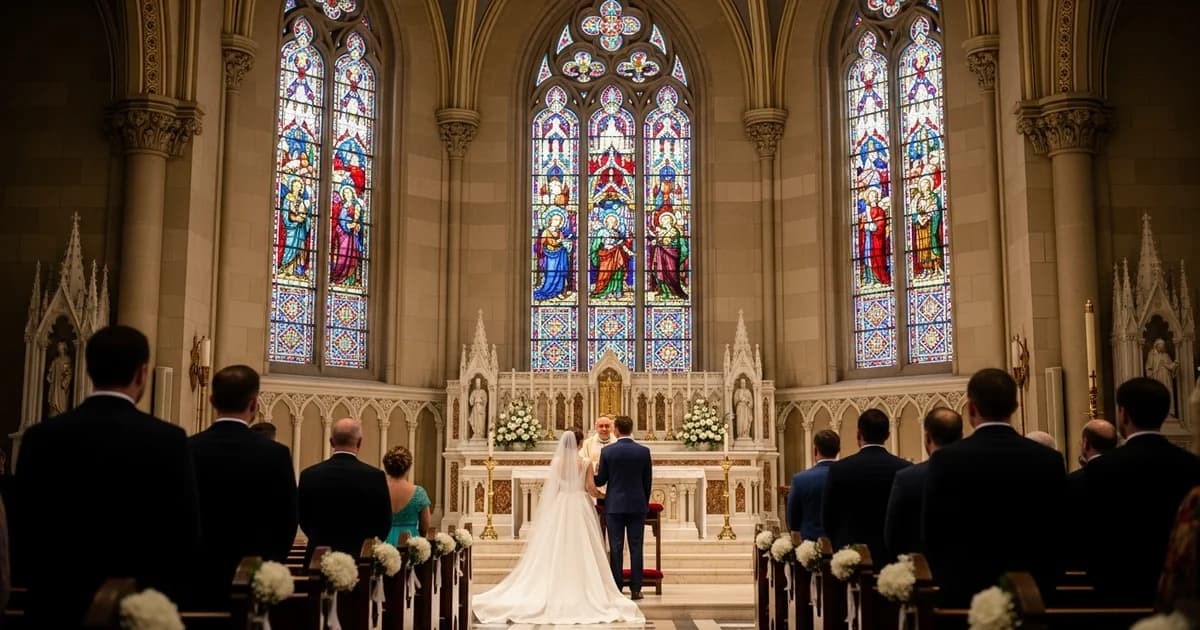
Wedding Witnesses in Morning Dress
Everything you need to know about dressing witnesses in morning dress: protocol, colours, accessories and how to differentiate them from the groom.
Created with AI assistance and human review. Editorial standards

Key points
- Witnesses can wear morning dress, but they should differ from the groom in shade or accessories to maintain a clear visual hierarchy at the altar.
- Colour is the most effective tool: if the groom is in charcoal grey, witnesses wear pearl grey or mid grey.
- The waistcoat and tie or cravat are where witnesses have the most personal freedom.
- The Continental-style morning coat with shorter tails is the most common choice at formal weddings; the full British morning coat with tails is reserved for the grandest ceremonies.
- Hiring from the same tailor as the groom is the surest way to guarantee tonal consistency.
- Witness accessories should complement, not compete: a pocket square, understated cufflinks and the same style of neckwear as the rest of the altar party.
Has anyone ever looked at an altar photograph and spent a moment trying to work out which man is actually the groom? It happens more often than you might think. When the groom and his witnesses wear morning dress with no distinguishing features between them, it takes the eye a beat to identify who is who, and that is something easily avoided with very little effort. Here is how to dress witnesses in morning dress so the ceremony gains in elegance and the distinction from the groom is resolved at a single glance.
Why morning dress remains the benchmark for daytime weddings
Morning dress is the definitive daytime formal option for men at weddings. Black tie is for the evening; white tie is reserved for the most solemn occasions. Morning dress, by contrast, is a perfect fit for any wedding that begins before six in the evening, which makes it the natural choice for both the groom and his witnesses when the celebration calls for a formal or semi-formal register.
Its place at weddings has survived decades of shifting trends. In recent years it has coexisted with the dark two-piece suit and even with more unconventional choices, but at religious ceremonies or at venues with a certain grandeur it remains the most popular option among the men at the altar.
The golden rule: distinction without distance
Witnesses are a visible part of the ceremony, standing beside the groom throughout the entire service or civil rite. Dressing to the occasion is a mark of respect for the couple; but dressing in an identical way creates visual confusion and, in a quiet sense, draws attention away from the person who is actually getting married.
The key is to establish that difference through colour and accessories, without the witnesses looking as though they belong to a different wedding entirely.
Colour as a tool of protocol
The groom chooses first. Once his morning dress is decided, colour, fabric, waistcoat, the witnesses work within the same palette but in a different shade:
- If the groom is in charcoal grey, witnesses can opt for pearl grey or mid grey.
- If the groom is in navy, witnesses sit well in steel blue or blue-grey.
- If the groom is in stone or camel, very common at summer weddings in warmer climates, witnesses can go in light sand or return to pearl grey.
What to avoid is any witness wearing the exact same shade as the groom. It may seem like a minor detail, but in altar photographs the tonal difference is the first thing the eye reads to identify who holds which role.
The waistcoat and tie: room for personality
This is where witnesses have the most freedom. The waistcoat can be in a different fabric to the groom's, a jacquard instead of a plain weave, for example, or simply in a shade that contrasts gently. The tie or cravat, the wide triangular knot that is traditional with morning dress, can share the groom's colour palette but at a different intensity.
If both witnesses are a couple or simply want to look cohesive, choosing the same waistcoat and varying only the tie is a clean and elegant solution.
Full morning coat or lounge-length morning coat: which to choose
The distinction between a full British morning coat and a Continental-style morning coat is worth understanding before heading to a hire shop, because the two are not interchangeable and the difference is visible at the altar.
The full morning coat has long, pronounced tails, is worn with a top hat and represents the most ceremonial version of the look. In the UK it is seen at weddings with a particularly grand register: a cathedral ceremony, a family with a very formal tradition or an occasion with institutional significance.
The Continental or lounge-length morning coat has somewhat shorter tails, is worn without a hat on most occasions and is considerably more practical during a long celebration. It is the version most commonly available from hire shops and the one that, to judge by what you see at the majority of formal weddings, suits the vast range of celebrations.
For witnesses, the choice should mirror the groom's. If the groom is in a full morning coat, the witnesses should be too; if he is in the shorter version, the same applies. Mixing the two styles at the altar simply looks inconsistent.
Hiring or buying: what to consider before deciding
Most witnesses opt to hire, and for good reason. As a rough guide, subject to variation by location, tailor and season, a quality morning coat can cost anywhere between £800 and £2,500 to purchase outright, while hiring a complete outfit, coat, trousers, waistcoat and shirt, typically falls between £150 and £350. These are reference figures; always ask for an up-to-date quote directly from the supplier.
The advantage of hiring from the same tailor as the groom is tonal consistency. Morning dress manufacturers have their own dye blends, and two "pearl greys" from different brands can look noticeably different under the light of a church or a reception room with warm lighting. If witnesses cannot use the same tailor, the most sensible step is to take a fabric swatch from the groom's coat and compare it in person.
All included
- Banquet venue
- Wedding Planner
- Marriage Paperwork
- Photographer
- Décor
- Flowers
- Master of Ceremonies
- Deejay
- Open Bar
Accessories: what adds to the look and what detracts
What adds
The pocket square offers the most versatility. A witness can wear the same colour as the groom in a different texture, silk where the groom wears linen, for instance, or choose a complementary shade that visually unites the group without making them identical.
Cufflinks are another detail that quietly counts. The groom might wear cufflinks with personal significance, an engraved date or the couple's initials, while witnesses wear something more understated or coordinated with the broader aesthetic of the wedding.
The cravat or tie: with formal morning dress the traditional choice is a cravat, the wide triangular knot that covers the shirt collar. With more contemporary interpretations of the shorter morning coat, a classic tie is accepted. What matters is that all the men at the altar wear the same style of neckwear. More on this in how to tie the groom's wedding tie.
What detracts
A top hat for witnesses when the groom is not wearing one, obviously. An overly eye-catching tie pin distracts more than it contributes. Shoes in bold or unusual colours do not help either. In short: any accessory that draws more attention than the groom's equivalent is better left at home.
Practical coordination: how to organise it without the stress
Confirming the witnesses with enough lead time is the first step. Ideally, the tailor or hire shop should be settled at least four months before the wedding, particularly during peak season. May, June and September concentrate a significant number of celebrations, and availability at the best tailors runs out faster than most couples expect.
Once the groom's morning dress is chosen, witnesses have two or three tonal options to select from. If there are multiple witnesses on either side, coordinating them with each other is generally the responsibility of the lead witness or best man. You can find more on the best man's role and how to manage this coordination in the best man and groomsman guide.
For civil ceremonies, the protocol is somewhat more flexible. Morning dress remains entirely appropriate, but a dark two-piece suit is also perfectly acceptable. If you are unsure what level of formality suits a civil ceremony, the civil wedding protocol guide covers it in detail.
A note on witnesses who are not men
When one or both witnesses are women, coordination with the groom's morning dress is resolved differently, generally through colour. A dress or suit in the same shade as the groom's waistcoat, or in a neutral tone that does not compete with the wedding dress, works very well. There is no rigid rule, but it is worth the couple sharing the overall colour palette with their witnesses so that each person can make an informed choice.
Conclusion
Dressing in morning dress as a witness is straightforward once a single question is answered from the outset: how does the groom stand apart from everyone else? Resolve that, and everything else follows naturally.
This article was reviewed by our editorial team. How we create our content
Frequently Asked Questions
Not sure which one suits you?
Try every silhouette on your own photo with Wedded's virtual try-on. The first 5 try-ons are free.